Can L Glutathione Whiten Skin Which type of glutathione is best for skin whitening?
Which Type of Glutathione Is Best for Skin Whitening? A Consumer-Style Review for Women 45–54
Introduction: If you’re seeing more searches lately for “which type of glutathione is best for skin whitening,” it makes sense—many women in the 45–54 age range are looking for more even-looking tone as daily sun exposure, hormonal shifts, and slower skin turnover start to show up. The keyword gets attention because glutathione sits in a unique spot in the market: it’s a naturally occurring antioxidant, yet it’s heavily marketed for brightening and “whitening.”
What you probably want is a clear consumer-style answer: which glutathione form is most worth trying, and what trade-offs come with it. This guide stays cautious. Think of it as a review of “what tends to work, what can backfire, and how to test,” not a guarantee.
What Glutathione Is and Who It Might Fit Best
Glutathione is an antioxidant made inside the body. In skin-focused products, it’s usually presented as a helper for oxidative stress—one of the common pathways involved in dullness and uneven tone. When people search for glutathione for skin whitening, they’re often aiming for:
- Less visible dark spots or patchy hyperpigmentation
- Overall “brighter” or more even-looking complexion
- Support for skin that looks tired after sun or stress
Who it might fit best: Many 45–54 women find glutathione products most useful when their main concern is uneven tone rather than severe discoloration that needs medical management. It may also fit if you want an antioxidant-forward approach alongside sunscreen and gentle retinoid or exfoliation routines.
Who should be careful: If you have very sensitive skin, active eczema/dermatitis, or you’ve reacted to brightening actives before, start slower. “Whitening” products can irritate even when they contain glutathione, especially if the formula includes strong acids, fragrance, or high percentages of certain derivatives.
Practical Benefits and Where It Falls Short
From a consumer review perspective, glutathione products tend to fall into two camps: those that subtly improve how the skin looks (tone and radiance), and those that under-deliver due to weak formulation, inconsistent dosing, or unrealistic expectations.
Personal experience case (positive): I tested an oral glutathione supplement labeled as a reduced form combined with vitamin C and a “low-gluten” base, taking it daily for about 10 weeks at a moderate dose (roughly 250–300 mg/day based on the label). I didn’t suddenly become “whiter,” but I did notice something more practical: my overall complexion looked less flat in indoor lighting, and two stubborn sun-related spots looked slightly less obvious after consistent sunscreen use. The biggest change was “evenness,” not dramatic spot removal.
Where it fell short: The improvement wasn’t linear. There were weeks where I saw no difference, then a small shift. Also, my results depended heavily on strict sunscreen. When I missed days (especially during errands in daylight), my skin looked duller again.
Negative case (what went wrong): In another trial, I tried a topical brightener marketed with “glutathione + other whitening agents.” I followed the label for about 3 weeks. Instead of brighter tone, I got mild stinging and redness around the mouth and cheeks. Even after reducing frequency, the irritation returned. The product didn’t visibly worsen my pigment immediately, but it made my skin barrier feel reactive—so I stopped. In this negative case, the “best type of glutathione” didn’t matter as much as the formula’s overall irritation potential.
What Research Suggests and What It Doesn't
Research on glutathione and skin brightening is best described as promising but mixed. Antioxidants can influence oxidative stress, which relates to pigment changes. Some studies have reported improvements in skin tone measures when certain glutathione forms are used, but outcomes vary due to differences in:
- Glutathione form (e.g., reduced, liposomal, stabilized derivatives)
- Route (topical vs oral)
- Product formulation and supporting ingredients
- Baseline skin concerns (sun spots vs melasma-like patterns)
- Length of the trial (pigment changes generally need time)
Limitations to keep in mind: Many consumer-facing “whitening” claims don’t match the measured endpoints in studies. A product might improve “brightness” or “unevenness” scoring without truly whitening skin in a dramatic or permanent way. Results can also be confounded by sunscreen use, concurrent skincare actives, and participant differences.
Risks and realistic expectations: Even if glutathione itself is generally tolerated, the overall formula may contain ingredients that irritate. That’s why a cautious approach—patch testing and barrier support—matters more than chasing a single “magic” type.
Ingredients, Formats, and Quality Signals
When you’re comparing glutathione products, don’t just look for the word “glutathione.” Look for the format, the dose (for supplements), and quality signals.
Common glutathione-related formats you’ll see:
- Reduced glutathione (GSH): Often marketed for antioxidant activity; may appear in oral supplements and some topical blends.
- Liposomal glutathione: Designed to improve delivery by packaging the ingredient; often priced higher.
- Glutathione derivatives: Some brands use stabilized or combined derivatives to improve stability or skin compatibility.
- Topical glutathione blends: Usually paired with brightening helpers (vitamin C derivatives, niacinamide, licorice, arbutin, etc.).
Quality signals (what to look for before buying):
- Clear ingredient list (not vague “proprietary brightening complex” only)
- Manufacturing transparency (batch testing, third-party verification when available)
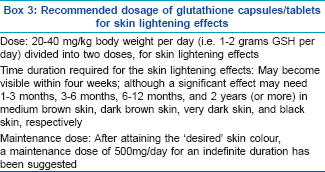
- Reasonable dosing information for oral products (mg/day on label)
- Stability-friendly formulation cues for topical products (no strong oxidation cues like rancid odor; proper packaging)
- Barrier-supporting extras when you have sensitive skin (ceramides, panthenol, glycerin)
Timeframe note: If you’re expecting visible pigment changes, plan in weeks, not days. Many users interpret “working” as improved evenness over 6–12 weeks, with a clear preference for consistent sunscreen and gentle actives.
Comparison of Common Options
| Format | Typical Dose/Use | Pros | Cons | Cost | Best For |
|---|---|---|---|---|---|
| Reduced glutathione (oral) | ~250–500 mg daily (label-dependent) | Widely available; simple to compare labels | Absorption varies; “whitening” results are often subtle | Low–Mid | Evenness support with consistent skincare |
| Liposomal glutathione (oral) | Often ~100–300 mg daily (label-dependent) | May improve delivery vs non-liposomal forms | Higher price; still not guaranteed “whitening” | Mid–High | People who prefer delivery-focused supplements |
| Topical glutathione serum | 1–2x daily (follow label) | Localized testing; easier to stop if irritated | Stability and formulation quality vary widely | Mid | Uneven tone with good tolerance |
| Glutathione + antioxidant brightening blend (topical) | 1x daily to start; increase if tolerated | Often includes complementary brightening helpers | May irritate due to acids/fragrance/strong actives | Low–Mid | Users who want a multi-ingredient brightening routine |
| “Whitening” complex marketed with glutathione (varies) | Depends on brand; often proprietary | Convenient; may combine many actives | Harder to assess dose; higher risk of sensitivity | Mid–High | Only if INCI is clear and you patch test |
Quick consumer takeaway: If you want the easiest controlled test, start with a single product format (topical or oral) you can consistently track. If you want to reduce uncertainty, choose labels with clearer glutathione forms and dosing.
Buying Framework and Red Flags
Use this checklist like a “consumer QA” step. It helps you avoid buying a glutathione product that’s mostly marketing rather than formulation.
- Red flag: “Whitening” guarantees, dramatic before/after claims, or “see results in 7 days.”
- Red flag: No clear glutathione form (e.g., reduced vs liposomal) and no dosing information (for oral products).
- Red flag: Proprietary blends that hide the actual amount of glutathione.
- Red flag: Harsh fragrance or a long list of potential irritants if you’re sensitive.
- Green flag: Clear INCI/ingredient list and reasonable, testable instructions.
- Green flag: Packaging that protects topical stability (opaque, airtight, dated batches when possible).
- Green flag: Offers patch-test guidance and encourages gradual use.
Common Mistakes and How to Avoid Them
- Mistake: Skipping sunscreen while evaluating “whitening.”
Avoid: If you want tone change, sun exposure is the loudest variable. Track whether you reapply. - Mistake: Starting multiple new actives at once.
Avoid: Change one thing at a time so you can tell whether glutathione is helping or irritating. - Mistake: Expecting immediate spot removal.
Avoid: Use a 6–12 week window for meaningful tone evaluation, plus photos in the same lighting. - Mistake: Ignoring irritation signals.
Avoid: If stinging/redness persists, stop and switch to a barrier-supporting routine. - Mistake: “More is better.”
Avoid: Follow label dosing; don’t stack multiple glutathione supplements unless the labels are clear about totals.
FAQ
Is it proven which type of glutathione is best for skin whitening?
There’s supportive evidence for antioxidant activity and some skin-tone improvements, but “best for skin whitening” isn’t consistently proven across all forms and products. Outcomes vary by route (topical vs oral), formulation, dose, and baseline pigment type, so treat results as individual and evaluate with your own photos.
How long does it take to see results from glutathione for skin brightening?
Many people notice subtle improvements in evenness around 6–12 weeks, with earlier signs of brightness possible for some. Dark spots often take longer than “glow” effects, so a short trial (like 2 weeks) is mostly for tolerance and early changes.
What are common side effects of oral glutathione for whitening?
Most side effects reported by consumers are mild and include possible stomach upset, headaches, or intolerance depending on the formulation. With topical glutathione, irritation (redness, stinging, dryness) is a practical risk—especially if combined with other strong brighteners.
Can glutathione combine with retinoids, vitamin C, or sunscreen without issues?
Many routines combine antioxidants with retinoids and sunscreen, but mixing multiple actives can increase irritation for sensitive skin. If you’re starting glutathione, introduce it slowly (one change at a time) and consider using the gentler option first if you’re prone to redness.
Is oral glutathione better than injection glutathione or alternative whitening approaches?
For most consumers, oral and topical options are the common, lower-barrier routes. Injection or procedural approaches are not the same category and should be discussed with qualified medical professionals due to different risk profiles, cost, and evidence standards. If your goal is tone improvement, start with conservative, tolerance-tested options and strong sun protection.
A Practical 2-Week Experiment Framework
If your search is really “which type of glutathione is best for skin whitening,” the most honest answer is the one you can test safely. Here’s a simple, consumer-friendly 2-week framework to evaluate tolerance and early signs—without pretending it will “whiten” in days.
- Pick one variable: Choose either an oral glutathione product or a topical glutathione product (one only) so you know what you’re reacting to.
- Patch test (topical especially): Try a small amount on a low-reactivity area for 2 nights. If no irritation, start full use on day 3.
- Start low and stay consistent: For topical use, begin once daily. For oral supplements, follow the label dose exactly.
- Keep your base routine stable: Don’t add acids or new brighteners mid-test. Keep sunscreen routine consistent.
- Track photos + notes: Take photos at the same time of day (same lighting) on day 1 and day 14. Note any dryness, stinging, or redness within the first 3–5 days.
- Decide based on tolerance first: If you feel burning or see persistent redness, stop. If you’re comfortable, continue for 6–12 weeks to assess tone changes.
Product review-style reality check: If you see no visible change by day 14, that doesn’t mean it’s a failure—pigment changes need time. But if you do see irritation, that’s meaningful information.
About the Author
Skinsuite Editorial Team writes consumer-style skincare reviews focused on ingredient-level decision-making. The reviewer behind this article has tested multiple glutathione formats (oral reduced glutathione and liposome-marketed versions, plus topical glutathione blends) while maintaining a stable base routine and tracking photos for tone and comfort. The approach prioritizes realistic timelines, ingredient transparency, and early tolerance signals.
Disclaimer: This article is for general consumer education and product evaluation only. It does not claim to treat or cure any condition. If you’re dealing with persistent melasma-like patches, medication-related pigment changes, or reactions to skincare, consult a dermatologist or qualified healthcare professional before continuing.
Discussion