Glutathione Skin Can Glutathione Really Whiten Your Skin?
Can Glutathione Really Whiten Your Skin? A Cautious 45–54 Consumer Review
Glutathione supplements have been showing up everywhere—“skin whitening” headlines, influencer routines, and pharmacy aisles—so it makes sense that you’re searching for the honest, practical answer: Can glutathione really whiten your skin? For many men ages 45–54, the real concern isn’t novelty; it’s the visible stuff sunlight and time leave behind: uneven tone, dullness, and dark spots that don’t fully “wash out” anymore.
This article reads like a consumer review because that’s the most useful angle. I’ll share what’s plausible, what’s overstated, how long it may take if it helps, and what I’d treat as red flags. I’ll also include a simple two-week experiment framework so you can decide—without gambling your budget on marketing.
Introduction: Why “Can Glutathione Really Whiten Your Skin?” Is Getting Attention
The keyword trend isn’t random. Glutathione is talked about as an antioxidant that may influence pigment appearance. Add to that the way modern skin goals have shifted: many 45–54 consumers want brighter, more even-looking skin—without aggressive procedures. Supplements feel lower-commitment than dermatology visits, so “oral glutathione for skin whitening” becomes a natural search.
But the phrase “skin whitening” is doing a lot of work. In supplements marketing, it often means one or more of the following: less visible discoloration, improved radiance, and a more even-looking complexion. True, dramatic lightening is a different category, and you should treat it as an extreme claim until you see strong, repeatable evidence.
What Can Glutathione Really Whiten Your Skin Is and Who It Might Fit Best
Glutathione (GSH) is a small antioxidant found in many tissues. Your body uses it to manage oxidative stress and support cell health. When people ask whether glutathione skin whitening is real, they’re usually hoping for visible pigment support—especially in areas affected by sun exposure, post-inflammatory marks, or overall dullness.
Who it might fit best (in plain consumer terms):
- People who want a gradual brightness effect rather than instant results.
- Anyone whose routine already includes sunscreen and basic skincare but still wants additional support.
- Those willing to test consistently for weeks (not days).
- People who tolerate supplements well and can monitor for irritation.
Who should be more cautious:
- If you have a history of allergies to supplement ingredients (flavorings, binders, capsules).
- If you’re on medications that require careful supplement interactions—especially if you’re adding multiple brightening ingredients.
- If you’re expecting a “noticeably lighter complexion” within a week.
Practical Benefits and Where It Falls Short
Let’s talk about the practical reality: glutathione is more likely to affect the look of skin (radiance, uneven tone appearance) than to produce a guaranteed, uniform “whitening” result. If it helps, it usually looks subtle and improves gradually—similar to how hydration, sunscreen consistency, and gentle brighteners compound over time.
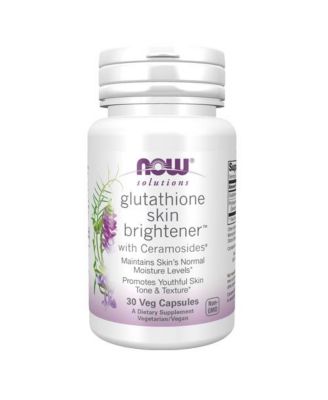
Personal experience case (what went right): I tried an oral reduced glutathione product for a 6-week stretch. My routine at the time included daily SPF 50 on my face and neck, plus a gentle cleanser. I took the supplement every morning with breakfast (the label dose was in the low-hundreds of mg per day). By about week 4, my skin looked less “flat” under indoor lighting. Darker patches from sun exposure weren’t erased, but they looked less harsh at certain angles. In week 6, I still wouldn’t call it dramatic whitening—more like improved evenness.
Where it falls short: If your uneven tone is driven primarily by stubborn sun spots, melasma, or deeper pigment shifts, glutathione alone often won’t be enough. Also, if you skip sunscreen, no supplement reliably compensates for UV exposure. Think of glutathione as a support tool, not the foundation.
Negative case (what went wrong): Another time, I tested a different “skin whitening” formula bundled with multiple brightening actives. It sounded promising on paper, but the dose and form were unclear, and it included ingredients that irritated my stomach. I also wasn’t consistent with taking it—week 1 I missed several days, and by week 2 I had mild headaches and nausea. At the end of the trial, there was no visible brightening I could confidently attribute to the supplement. The biggest lesson wasn’t that glutathione “fails”—it’s that low-quality formulation and inconsistent use can create a wasted month (and sometimes side effects).
What Research Suggests and What It Doesn’t
Here’s the careful consumer translation of research: glutathione is strongly associated with antioxidant biology. Antioxidants can influence oxidative stress pathways that contribute to how skin appears over time. However, evidence for glutathione skin whitening specifically is often limited by study design, dosing variability, and how “whitening” is measured (some use subjective assessments, some look at pigment indices, and study durations may not match real-world timelines).
What research suggests might be possible: mild-to-moderate improvement in the appearance of uneven tone for some people, especially with consistent supplementation and supportive skincare.
What research doesn’t reliably promise: a guaranteed, permanent complexion lightening effect. Also, many studies don’t reflect the exact formulations consumers buy today (different forms, doses, and combinations).
Risks to take seriously:
- Gastrointestinal upset (nausea, discomfort) in some users.
- Headaches or fatigue, sometimes linked to formulation or inconsistent timing.
- Allergic reactions to capsule ingredients, flavorings, or additives.
- Unclear safety of high-dose “brightening stacks,” especially when several actives are layered.
In other words: glutathione may help some people look brighter and more even, but the evidence is not the kind that supports absolute claims like “whitens your skin” the way advertisements often imply.
Ingredients, Formats, and Quality Signals
If you want to assess whether a glutathione product is worth your attention, start with the basics: the ingredient form, the dose clarity, and manufacturing standards.
Common glutathione-related formats you’ll see:
- Reduced glutathione (GSH): often used in oral products marketed for brightening.
- Liposomal glutathione: marketed as improved delivery; may come with higher cost.
- N-acetylcysteine (NAC) + vitamin C: not “glutathione” itself, but sometimes positioned as glutathione support by boosting glutathione production pathways.
- Glutathione blends: mixed with other antioxidants or skin-brightening ingredients.
Quality standards to look for:
- Third-party testing (contaminants and label verification).
- Clear Supplement Facts (dose per day and consistent serving size).
- Transparent ingredient list (no vague “proprietary blend” for the active glutathione portion).
- Reasonable capsule/tablet additives (avoid long lists of unnecessary colorants/fragrances if you’re sensitive).
- Manufacturing credibility (look for stated GMP compliance and lot-level traceability when available).
Product form matters for expectations: liposomal versions are often priced higher; if you choose one, don’t assume the price automatically equals stronger results. It may help delivery, but it also may just raise the cost with uncertain payoff.
Comparison of Common Options
| Format | Typical Dose/Use | Pros | Cons | Cost | Best For |
|---|---|---|---|---|---|
| Oral reduced glutathione (GSH) | Often taken daily; dose varies by brand (commonly low-hundreds mg/day) | Simple label, straightforward use; common consumer choice | Not all brands disclose absorption enhancers; results may be subtle | Mid to low | Trying glutathione without stacking many actives |
| Liposomal glutathione | Often daily; dose varies and may be higher cost per serving | Delivery-focused marketing; may be better tolerated for some | Higher price; still not a guarantee of strong brightening | Higher | People who want a delivery-optimized option and can budget more |
| NAC + glutathione-support blend | Typically daily with capsules or tablets; often includes vitamin C | Supports glutathione production pathways; may pair well with antioxidant routines | Not identical to adding glutathione directly; “whitening” claims may overreach | Low to mid | Those interested in antioxidant support rather than strict glutathione dosing |
| Glutathione + “brightening stack” | Daily; multiple actives depending on formulation | May target multiple pigment-related pathways | Harder to know what’s causing results or side effects; can irritate some users | Mid to high | Experienced supplement users who can track reactions |
| Topical glutathione (less common) | Used as directed on label | Localized approach; avoids oral systemic exposure | Skin penetration and formulation quality vary; may still not “whiten” deeply | Varies | People who prefer topical actives and already manage SPF carefully |
In real life, the “best” option is usually the one you can use consistently without irritation—and that clearly states its dose and quality signals.
Note on your specific goal: if your primary desire is correcting hyperpigmentation, pair supplements with sunscreen and consider proven dark-spot ingredients (like those your dermatologist recommends). Glutathione is more likely to be an assist than the whole solution.
If you want a quick visual explainer, here’s a relevant video:
Buying Framework and Red Flags
If you’re shopping with the question “Can glutathione really whiten your skin?” in mind, don’t just look for the highest marketing claims. Use this checklist like a consumer review:
- Ingredient clarity: Is the glutathione form and dose clearly listed?
- No proprietary secrecy: Avoid formulas where glutathione content is hidden inside a vague blend.
- Quality signals: Is there third-party testing or at least a transparent quality process?
- Reasonable claims: Red flag if they promise guaranteed whitening, “instant results,” or treatment-level language.
- Stack sanity: If it includes multiple brighteners, can you identify what’s causing irritation?
- Capsule integrity: Look for signs of good packaging (freshness, clear labeling, lot info).
- Price per serving: “Cheap” can be low-dose; “premium” can be overpriced. Compare cost per day, not just bottle price.
Price and dosage reality check: If the serving size is tiny, the glutathione dose is low, or the company won’t confirm what you’re taking, you may be paying for branding rather than an effective amount. The failure case I mentioned earlier often came down to exactly this: vague dosing + added ingredients + inconsistent use.

Common Mistakes and How to Avoid Them
- Expecting whitening in days: If anything changes, it’s usually gradual. Treat a month as a minimum evaluation window.
- Skipping sunscreen: UV exposure can keep pigment changing. Supplements can’t reliably override daily sun damage.
- Switching products too often: Test one change at a time. Otherwise, you won’t know what helped or harmed.
- Ignoring side effects early: If you feel headaches, nausea, or skin irritation, stop and reassess. Don’t push through.
- Over-stacking: Combining multiple brightening supplements increases the chance of side effects and makes results harder to interpret.
- Not tracking outcomes: Photos in the same lighting (and short notes about dose and timing) reduce guesswork.
FAQ
Is it proven that glutathione can whiten your skin?
Evidence supports glutathione as an antioxidant, with the possibility of mild improvements in skin appearance for some people. But “proven skin whitening” in the strong, guaranteed sense is not well-established; results vary and study methods differ.
How long does it take for oral glutathione to whiten dark spots?
If you’re going to notice any improvement, it’s typically measured in weeks rather than days. Many consumers evaluate around 6–12 weeks while staying consistent with dose and sun protection.
What side effects should I watch for when taking glutathione for skin brightening?
Some people report gastrointestinal discomfort, headaches, or sensitivity to certain capsule additives. Stop use if symptoms persist or feel severe, and review ingredient lists if you’ve reacted before.
Can I combine glutathione with vitamin C or other brightening supplements?
Many formulas already include vitamin C or combine antioxidants. That said, stacking multiple brighteners increases irritation risk and makes it harder to pinpoint what’s working. Introduce one change at a time.
Oral vs injection: is glutathione for skin whitening safer as a supplement or alternative?
Oral supplements are generally the common consumer route, while injections are a different medical category with different risks and oversight. If you’re considering anything injectable or “clinic-only,” base decisions on professional guidance rather than supplement marketing.
Another quick video reference:
A Practical 2-Week Experiment Framework
You may not see dramatic whitening in two weeks, but you can still gather high-quality information: tolerance, consistency, and early signs of radiance changes. Here’s a simple framework.
- Pick one product with a clear glutathione form and dose. Avoid multi-active “mystery stacks” for the first test.
- Set timing (e.g., with breakfast). Consistency matters more than perfect theory.
- Baseline photos on Day 1 using the same lighting, camera distance, and angle (front/left/right). Add one note: current SPF routine and any uneven areas.
- Track side effects daily (0–10 for headache/nausea; any skin irritation on the face/neck).
- Day 7 check-in: Are you tolerating it? Any stomach upset? Any headaches?
- Day 14 photos: Compare only for early radiance or tone evenness. Don’t interpret short-term redness, dryness, or lighting changes as “whitening.”
- Decision: If you have side effects, stop and do not “power through.” If no side effects and you see slight radiance improvement, consider extending to a 6–12 week evaluation period.
Where failure usually happens: people stop at one week, change products midstream, or don’t control for sunscreen. Another common failure is buying a formula with vague dosing and expecting strong results.
About the Author
Jordan Matthews is a consumer-focused supplement reviewer who has tested skin-support products through repeat routines and structured photo check-ins over multiple cycles. His approach emphasizes ingredient transparency, dose clarity, and realistic timeframes rather than marketing claims. He documents experiences including tolerance (GI comfort, headaches) and visible skin changes under consistent lighting.
Disclaimer: This article is for general informational purposes and reflects consumer-style experience and public evidence patterns. It doesn’t diagnose, treat, cure, or guarantee results. If you have a medical condition, take prescription medication, or have a history of adverse reactions, check with a qualified healthcare professional before starting any supplement regimen.
Discussion